
Roofing Material Comparison Guide: Spray Foam Roofing vs TPO
- Josh Nelson

- Mar 23
- 5 min read
When it comes to protecting commercial properties, choosing the right roofing system is crucial. The roof not only shields your building from the elements but also plays a significant role in energy efficiency and long-term cost savings. Two popular options in the commercial roofing market today are spray foam roofing and TPO (Thermoplastic Olefin) roofing. Both have their unique advantages, but understanding their differences can help you make an informed decision that benefits your property and budget.
In this guide, I will walk you through a detailed comparison of these two roofing materials, focusing on energy savings, durability, maintenance, and overall cost-effectiveness. My goal is to help you find the best solution for your commercial roofing needs, especially if you are looking to reduce energy expenses and avoid costly roof replacements.
Roofing Material Comparison Guide: Spray Foam Roofing vs TPO
Spray foam roofing and TPO roofing are both widely used in commercial roofing projects, but they function quite differently. Spray foam roofing involves applying a liquid polyurethane foam that expands and hardens into a solid, seamless layer. TPO roofing, on the other hand, is a single-ply membrane made from a blend of polypropylene and ethylene-propylene rubber, installed in large sheets and heat-welded at the seams.
Energy Efficiency and Insulation
One of the most significant benefits of spray foam roofing is its superior insulation properties. The foam creates a continuous, airtight barrier that minimizes heat transfer, reducing the need for excessive heating or cooling inside the building. This can lead to substantial energy savings, especially in regions with extreme temperatures.
TPO roofing is also designed to reflect sunlight and reduce heat absorption, thanks to its white or light-colored surface. This reflective quality helps lower cooling costs during hot months. However, TPO does not provide the same level of insulation as spray foam, so additional insulation materials may be necessary beneath the membrane.
Key points:
Spray foam roofing offers both insulation and waterproofing in one application.
TPO roofing primarily focuses on reflecting heat and protecting against UV rays.
Spray foam can reduce energy bills more effectively in colder climates due to its insulation.
TPO is a good choice for warmer climates where solar reflectivity is a priority.

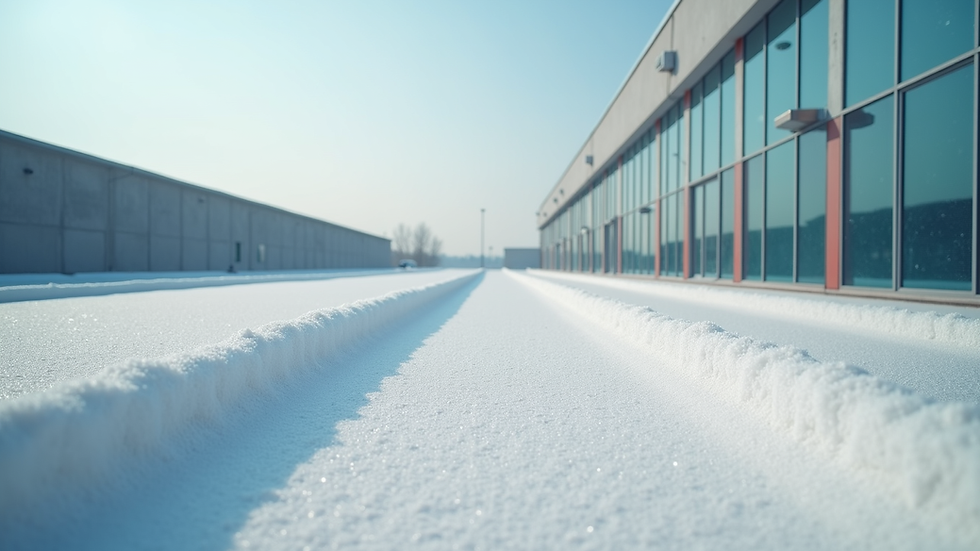
Spray foam roofing creates a seamless, insulating layer on commercial roofs.
Durability and Maintenance
Durability is a critical factor when selecting a roofing system. Spray foam roofing forms a monolithic surface that adheres directly to the roof deck, eliminating seams where leaks often occur. This seamless nature makes it highly resistant to water infiltration and wind damage. Additionally, spray foam roofs can last 20 years or more with proper maintenance.
TPO roofing membranes are also durable and resistant to punctures, tears, and chemical exposure. However, because TPO is installed in sheets, the seams are potential weak points that require regular inspection and maintenance. Over time, these seams may degrade, especially if the installation was not done correctly.
Maintenance considerations:
Spray foam roofs require periodic inspections and recoating every 10-15 years to maintain their protective layer.
TPO roofs need seam inspections and repairs to prevent leaks.
Both roofing types benefit from routine cleaning to remove debris and prevent damage.

TPO roofing membranes are installed in large sheets and heat-welded at the seams.
Cost Analysis: Installation and Long-Term Savings
Initial installation costs for spray foam roofing tend to be higher than TPO roofing due to the specialized application process and materials. However, when considering the long-term savings on energy bills and reduced maintenance expenses, spray foam roofing often proves to be more cost-effective.
TPO roofing generally has a lower upfront cost and faster installation time, making it attractive for projects with tight budgets or schedules. However, the potential for seam repairs and the need for additional insulation can increase overall expenses over time.
Cost factors to consider:
Installation cost: Spray foam roofing is more expensive initially.
Energy savings: Spray foam can reduce heating and cooling costs significantly.
Maintenance: Spray foam requires less frequent repairs compared to TPO.
Lifespan: Both systems can last 20+ years, but spray foam’s seamless nature may extend its effective life.
Environmental Impact and Sustainability
Sustainability is increasingly important in commercial building decisions. Spray foam roofing contributes to energy efficiency by reducing heating and cooling demands, which lowers greenhouse gas emissions. Additionally, many spray foam products are formulated with environmentally friendly blowing agents.
TPO roofing is known for its recyclability and is often made from materials that can be repurposed at the end of their life cycle. Its reflective surface also helps reduce the urban heat island effect by reflecting sunlight.
Environmental benefits:
Spray foam roofing reduces energy consumption through superior insulation.
TPO roofing offers recyclability and solar reflectivity.
Both roofing types support green building certifications when installed properly.
Choosing the Right Roofing System for Your Property
Selecting between spray foam roofing and TPO depends on your specific property needs, climate, and budget. If your priority is maximizing energy savings and creating a seamless, durable roof, spray foam roofing is an excellent choice. For projects requiring a cost-effective, reflective roofing membrane with quicker installation, TPO may be more suitable.
I recommend consulting with a trusted roofing expert who understands local climate challenges and can provide tailored advice. Proper installation and maintenance are key to ensuring your roofing investment delivers long-term value.
For a detailed comparison and expert guidance, check out this spray foam roofing vs tpo resource.
Maximizing Energy and Cost Savings with Roof Restoration
Beyond choosing the right roofing material, restoring your existing roof can be a smart way to extend its life and improve energy efficiency. Roof restoration techniques, such as applying a seamless spray foam coating, can seal leaks, add insulation, and reduce cooling costs without the expense of a full roof replacement.
At SS Roofing & Sprayfoam, we specialize in commercial roof restoration across the Midwest. Our seamless spray foam applications help businesses save on energy bills and avoid costly replacements. Whether you have a TPO roof or another membrane, restoration can enhance performance and durability.
Restoration benefits include:
Improved insulation and energy efficiency
Seamless waterproofing to prevent leaks
Extended roof lifespan without major disruption
Cost savings compared to full replacement
Investing in roof restoration is a proactive step that protects your property and budget.
Choosing the right roofing system is a critical decision that impacts your building’s performance and operating costs. By understanding the differences between spray foam roofing and TPO, you can select a solution that aligns with your energy-saving goals and long-term financial plans. Whether you opt for the superior insulation of spray foam or the reflective benefits of TPO, expert installation and maintenance will ensure your roof stands strong for years to come.


Comments